Heritage Month reminds us that our culture is more than our history. It is reflected in the crafts we create, the stories we tell, and the businesses that keep our traditions alive. Across South Africa, entrepreneurs are transforming cultural heritage into sustainable enterprises that create jobs, empower communities and preserve traditions for future generations. The Hope Factory is proud to support entrepreneurs such as Lizeka Chingana, and business partners Maxline Daters and Lukhanyo Sweli, whose journeys demonstrate how heritage and entrepreneurship can work hand in hand to create meaningful social and economic impact.
📿From Adelaide Township to Cultural Enterprise
Type of business: Traditional beadwork and cultural accessories manufacturing
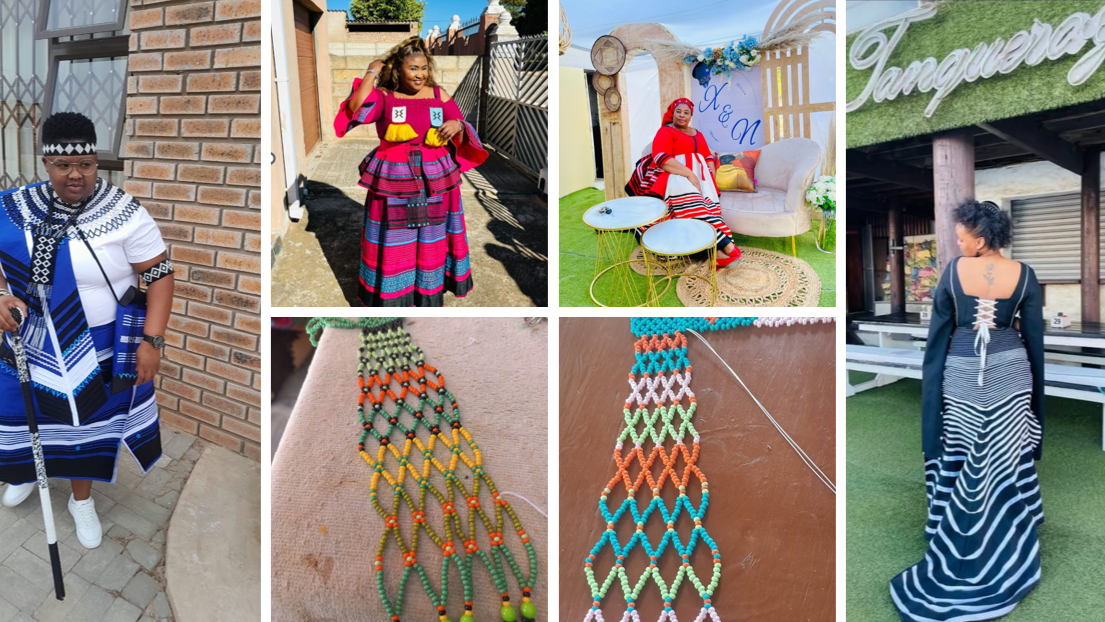
Born and raised in Adelaide Township in the Eastern Cape, Lizeka Chingana has transformed her passion for African beadwork into a thriving cultural enterprise. Through the creation of handcrafted necklaces, headbands, belts, traditional doeks and other cultural accessories, she is preserving African traditions while creating economic opportunities within her community. What began as a passion project has evolved into a business that promotes cultural pride, empowers local youth and keeps traditional craftsmanship alive in a modern world.
Supported through The Hope Factory’s mentorship and business development programmes, Lizeka continues to grow her business while ensuring that South Africa’s rich heritage remains woven into everyday life. Her success demonstrates how entrepreneurship can be a powerful tool for cultural preservation and community upliftment.
🧵Bridging Graaff-Reinet and Missionvale Through Fashion and Heritage
Type of business: Fashion design, apparel production and traditional Xhosa clothing manufacturing
The partnership between Lukhanyo Sweli from Graaff-Reinet and Maxline Daters from Missionvale in Gqeberha is a true example of resilience, creativity and entrepreneurial spirit. Coming from different parts of the Eastern Cape but sharing a common vision, the pair turned their passion for fashion and cultural expression into a growing business that manufactures apparel and traditional Xhosa garments.
Their journey began during a challenging period marked by unemployment and limited opportunities. Rather than allowing those circumstances to define their future, they combined their talents and pursued entrepreneurship as a pathway to economic empowerment. Today, their business not only produces contemporary fashion and traditional cultural attire but also celebrates and preserves Xhosa heritage through garments that reflect identity, pride and belonging.
Having participated in The Hope Factory programme together, Lukhanyo and Maxline gained valuable business knowledge, mentorship and practical skills that helped them strengthen their operations and plan for long-term growth. One of their proudest achievements has been investing in industrial machinery through revenue generated by the business itself, a milestone that signalled their transition from aspiring entrepreneurs to established business owners with ambitions of becoming a full-scale production house.
Their story reflects the strength of collaboration and the power of entrepreneurship to create opportunities where few exist. By blending heritage with innovation, they are building a proudly South African business that contributes to local economic development while keeping cultural traditions alive.
🌱 The Hope Factory: Enabling Heritage, Empowering Futures
Behind every successful entrepreneur is support that helps turn ambition into achievement. Through mentorship, skills training and practical business support, The Hope Factory continues to empower South African MSMEs to preserve culture, create employment and strengthen communities.
As we celebrate Heritage Month, we recognise that heritage is not only found in monuments, museums or history books. It lives in entrepreneurs such as Lizeka Chingana from Adelaide Township, and partners Lukhanyo Sweli from Graaff-Reinet and Maxline Daters from Missionvale, whose businesses are transforming cultural traditions into sustainable businesses. Their success stories demonstrate that when entrepreneurship is nurtured, heritage is preserved, communities are uplifted and future generations are inspired.